
Foundation Drainage Services in Elizabethtown, NC
MOVE THE WATER AWAY BEFORE IT MOVES YOUR HOME
Water sitting against your foundation is the start of most of the damage we repair. Bailey Sales & Service designs and installs foundation drainage in Elizabethtown, NC and across Eastern North Carolina to get that water moving away from your home instead of under it.
Puddles that never dry up next to the house. A crawl space that smells damp every summer. A soft spot in the yard right where the downspout lets out. Those are drainage problems, and they are usually the reason a homeowner calls us about something else entirely, like a sagging floor or a crack in the wall.
Bailey Sales & Service has been repairing crawl spaces and foundations across Eastern North Carolina since 2020. We install French drains, sump pumps, and surface water management systems built for the soil and rainfall we actually have here. Every job starts with a free inspection and an honest answer about what is causing the water, even when the answer is that you do not need us yet.
Signs of a Drainage Problem Around Your Foundation
Most homeowners notice the symptom long before they connect it to drainage. Any of these is worth an inspection:
- Water pooling against the foundation hours after the rain stops
- Standing water or wet soil in the crawl space
- A musty smell in the house that gets stronger in summer
- Mold or mildew on the floor joists or subfloor
- Soft, sagging, or bouncy floors
- Soil washing away or rutting along the foundation line
- Downspouts dumping right at the base of the wall
- Yard that stays soggy days after everyone else’s has dried
- Cracks in interior walls, or doors and windows that stick
- Mulch or soil beds that sit higher than the ground around them, holding water against the house
One of these on its own may be nothing. Two or three together usually means water is not leaving your property the way it should.
Comprehensive Foundation Drainage Solutions
We don’t sell one-size-fits-all packages. We tailor every system to your site’s specific slope, soil type, and water volume.
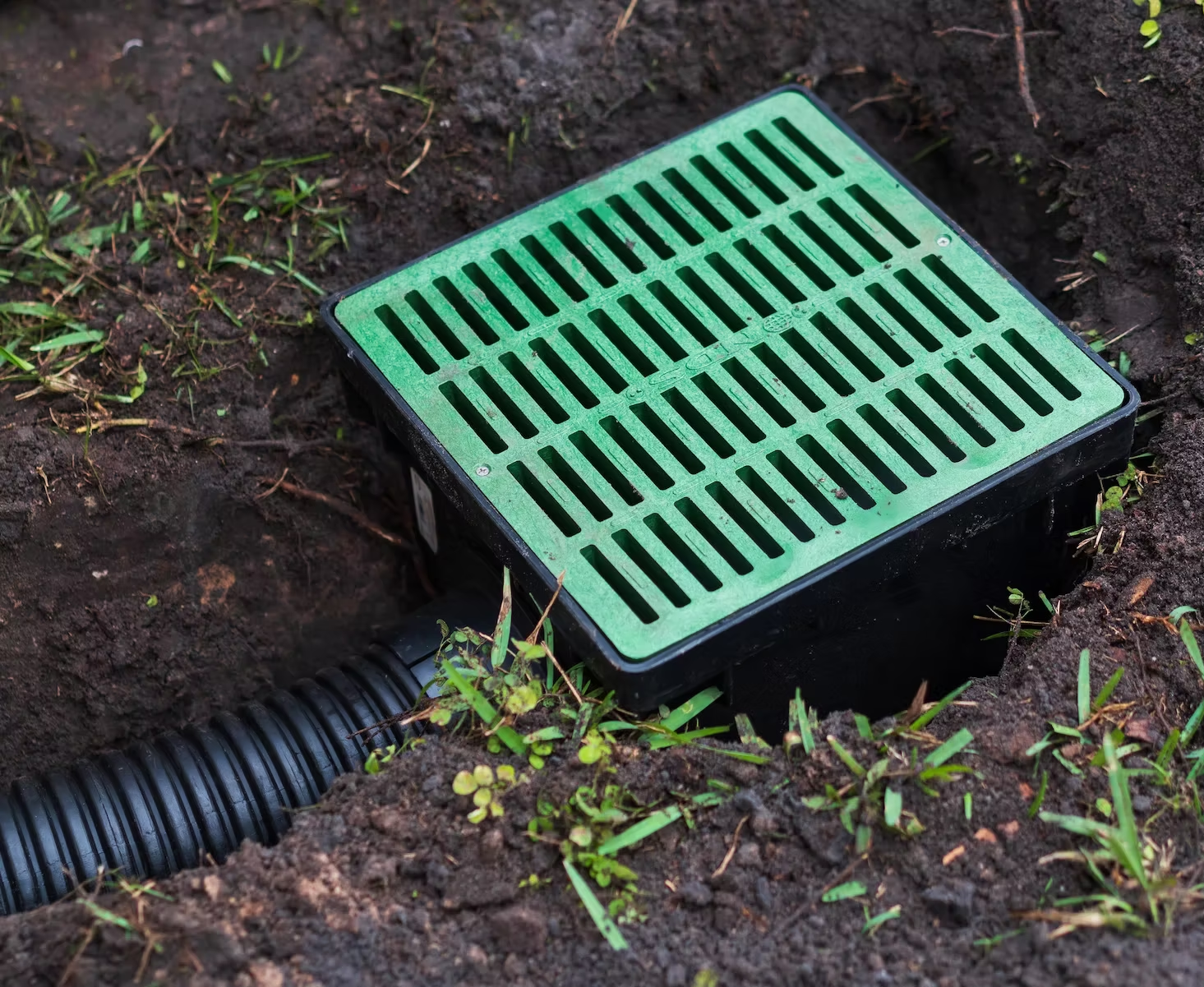
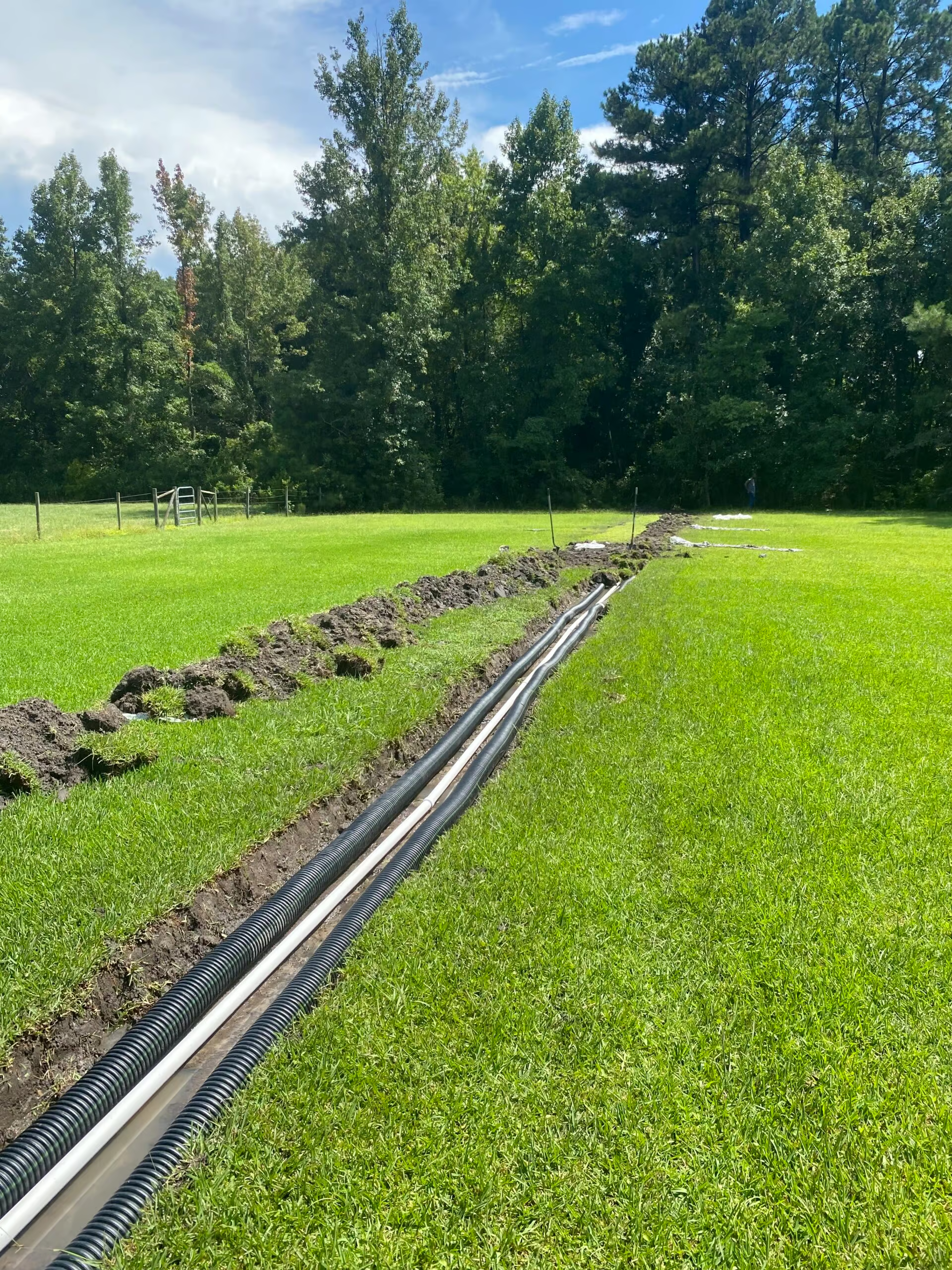
French Drain Installation
Below-grade gravel-and-pipe trenches routed around exterior foundations or inside crawl spaces to intercept groundwater.
Sump Pump Installation
Heavy-duty basin and pump setups designed to push collected water out from under your crawlspace and away on flat lots.
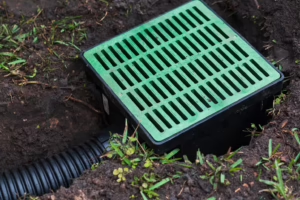
Surface Water Management
Roof runoff extensions, catch basins, and yard grading modifications to stop surface water before it soaks in.
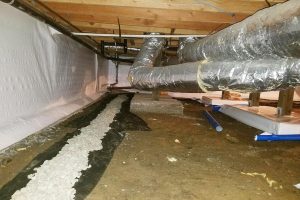
Crawl Space Drainage Before Encapsulation
Active water management installed before sealing or vapor barrier installation so moisture is never trapped inside.
Trusted Local Drainage Specialists
- Disabled veteran-owned and operated. The discipline shows up in the work.
- Local since 2020. Based at 1001 S Poplar St in Elizabethtown, not dispatched from a branch office three counties away.
- Diagnosis-First Approach: Free, no-pressure inspections with honest, written findings.
- Fully Licensed & Insured: Complete protection for every residential project.
- Free inspections. You get the findings and a written quote with no pressure to sign anything.
What Causes Poor Drainage Around a House Foundation
There is almost always a specific reason, and it is almost never mysterious once you look:
- Grading that slopes the wrong way. If the ground next to the house is level or tips back toward it, every rain sends water at the foundation instead of away from it.
- Downspouts that stop short. A downspout emptying at the corner of the house puts hundreds of gallons into the same few square feet of soil, over and over.
- Slow-draining soil. The USDA soil series named after Bladen County is classified as poorly drained, with slow permeability and 35 to 55 percent clay in the subsoil. Water that soaks in does not keep moving. It sits.
- A high seasonal water table. In the Bladen series the seasonal high water table sits within 0 to 12 inches of the surface from December through May. For half the year, the ground under some homes here is already close to saturated before it rains at all.
- Rainfall volume. Elizabethtown averages 49.32 inches of rain a year, and it stacks up in the warm months: 5.75 inches in July, 5.95 in August, 5.29 in September. That is the same stretch when humidity keeps a vented crawl space from drying out.
- No drainage system at all. Plenty of older homes here were built with nothing but a slope and good intentions, and the slope has settled since.
- Hard surfaces sending water back. Driveways, patios and walkways that pitch toward the house turn every storm into a delivery.
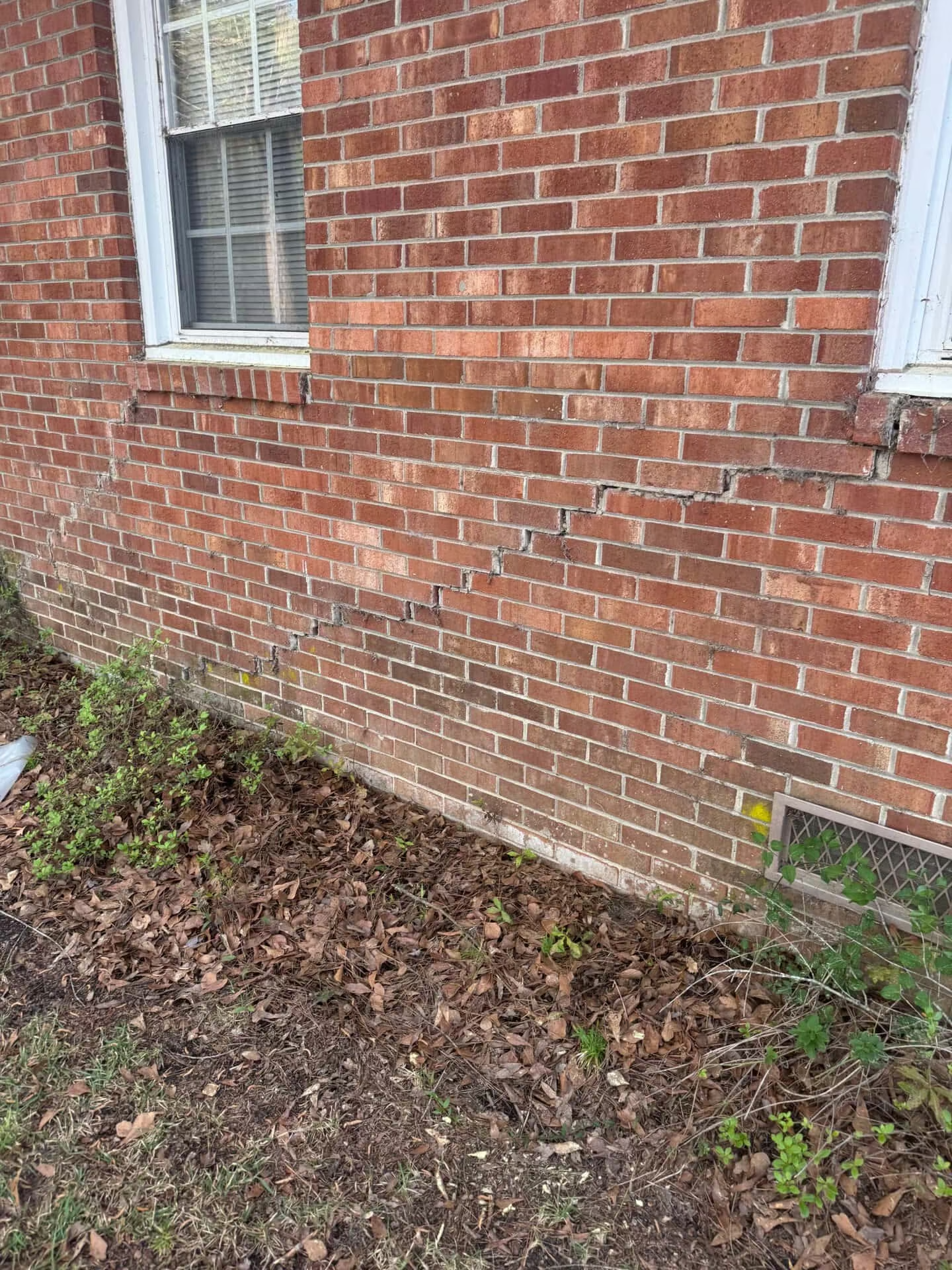
What Water Around the Foundation Does to Your Home
Water is patient. The damage shows up in a fairly predictable order.
Soil loses its grip
Wet soil next to a footing loses bearing strength, and soil that washes out from under one corner leaves a void.
The house moves and the wood rots
Upstairs: cracks in drywall, doors that will not latch, floors that slope floors that slope, which is where foundation repair comes in.
Below: joists and beams that stay damp rot, insulation falls, mold grows on the subfloor.
The air comes up with it
A crawl space is not sealed off from the rest of the house. Damp, musty air from underneath ends up in your living space, which is why a moisture problem down there so often gets noticed as a smell up here.
Every one of those outcomes is more expensive than fixing the drainage was.
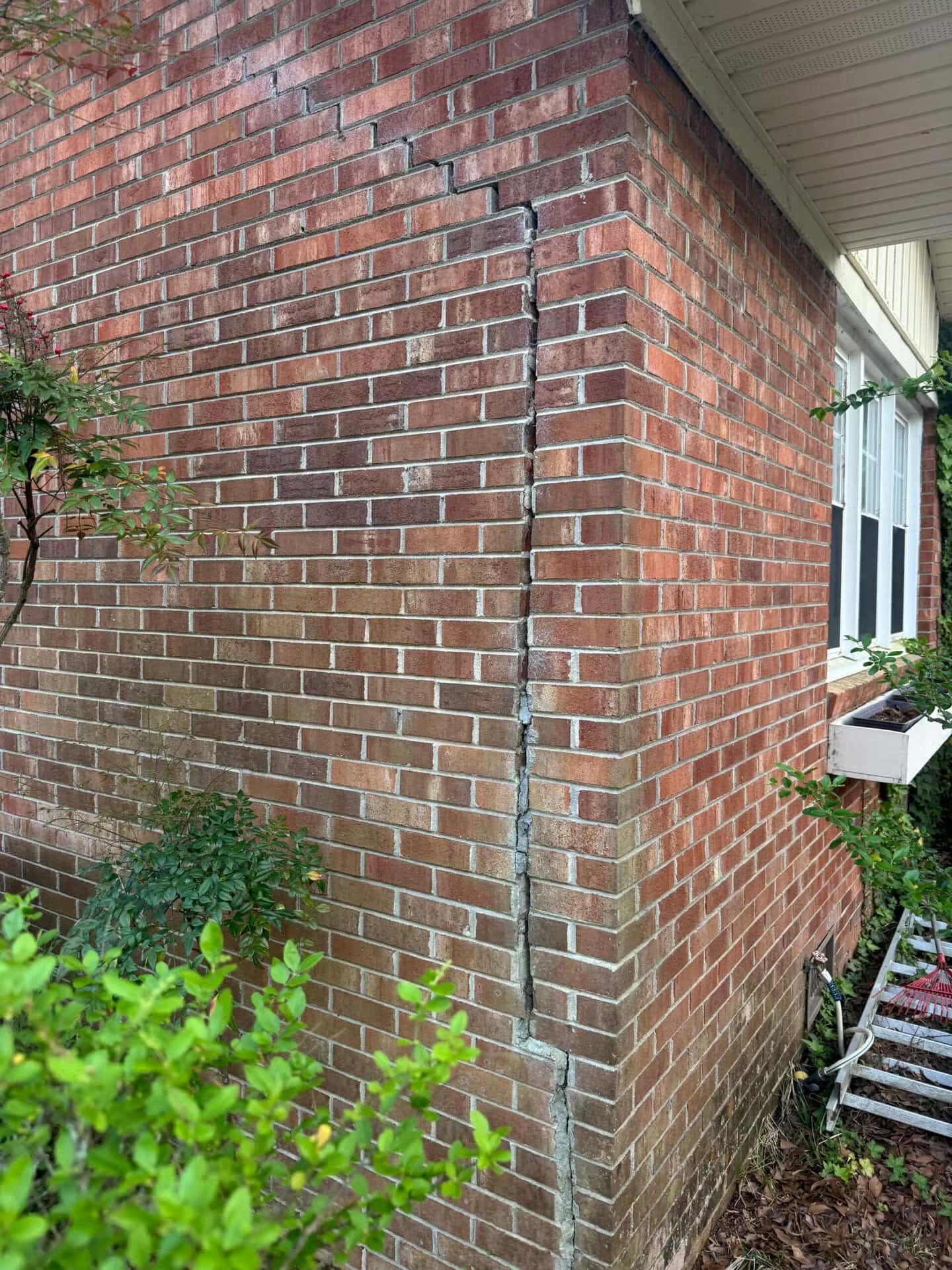
How We Diagnose a Drainage Problem
We take the same diagnostic approach here that we take with foundations. Nobody gets a quote before we know where the water is coming from.
- We walk the outside first
Grade at the foundation, downspout outlets, low spots, wash lines in the soil, hard surfaces and how they pitch, and where water goes once it leaves your lot. - We go under the house
Standing water, damp soil, water lines on the piers, condition of the joists and beams, insulation, and the vapor barrier if there is one. - We work out the source
Surface runoff, roof water, groundwater and a plumbing leak all look similar once the crawl space is wet, and they need different fixes. Telling them apart is the whole job. - We give you the findings straight
What is happening, what is causing it, what it will take to fix, and what happens if you leave it. In writing. If the fix is extending a downspout, we will tell you that.
What to Expect During the Job
Once you approve the quote, most drainage work follows the same shape:
Mark and locate – We mark out the run and locate anything buried before a shovel moves.
Excavate- The trench is cut to the depth and fall the plan calls for.
Set pipe and stone – Pipe and washed stone go in at the designed grade.
Tie in and test – Discharge or sump connected. Where a pump is part of the system, we set the basin, run the discharge line, and test the pump before we call it done.
Backfill and walk it- Surface restored as close as we reasonably can, then we walk the finished system with you so you know where everything runs and what to keep clear of it.
Timeline note: Depends on the length of the run and how wet the ground is when we start, and you get a timeline with your quote. Most residential drainage jobs are measured in days, not weeks.
Why We Fix the Water Before We Fix the Damage
Rotted joists, sagging beams, failing piers, settlement at a corner: those are damage. Water is the cause. Replace the wood and leave the water in place and you have bought yourself a few years, and you will pay again. We have seen crawl spaces where someone replaced insulation twice before anyone asked why it kept falling.
Drainage first, so the space can dry. Structural repair second, so the new material goes into a dry space. Encapsulation last, where it makes sense, to hold the space dry long term. That order costs less over the life of the home, and it is the only order that makes the warranty on the repair mean anything.

Foundation Drainage Questions We Get in Elizabethtown
What is a foundation drainage system?
It is any system that collects water and moves it away from the base of your home before it soaks into the soil beside the footing or gets into the crawl space. In practice that usually means a French drain outside or under the house, a sump pump where gravity has nowhere to send the water, and surface work that keeps roof and yard runoff away from the wall. Most homes need a combination rather than one product.
How do I stop water pooling around my foundation?
Start with the two cheapest things: get every downspout discharging well away from the wall, and check whether the ground next to the house actually slopes away from it. Those two fix a surprising number of cases. If water still pools after that, it is coming from below grade or from somewhere upslope, and that needs a drain to intercept it. We will tell you which situation you have at the inspection.
How do I improve or fix drainage around my foundation?
In order of cost: correct where roof water lands, correct the slope at the house, then install a drain to collect what is left. Skipping to the drain without checking the first two is how people end up paying for a bigger system than they needed. It is also why we walk the outside of the house before we ever quote.
How does poor drainage contribute to foundation movement?
Two ways. Water running along the foundation erodes soil out from under the footing and leaves voids, and saturated soil loses the strength to carry the weight sitting on it. Either one lets a corner or a section drop, and that is what you see upstairs as wall cracks, sticking doors and sloping floors.
How much does foundation drainage cost in Eastern North Carolina?
It depends on the length of the run, how deep it has to go, whether a sump pump is needed, and what the discharge point looks like. Extending downspouts and correcting a surface problem is a small job. A full perimeter system with a pump is a much bigger one. We do not quote from a price list. We inspect the property and give you a written number for your house.
What is the difference between a French drain and a sump pump?
A French drain collects water and moves it by gravity. A sump pump moves water when gravity has nowhere to send it. On the flat lots common around Bladen County they usually go in together: the drain gathers the water, the pump lifts it out and away.
Will fixing the drainage solve my crawl space moisture problem?
Often most of it, because standing water and wet soil are the largest moisture source under a typical home here. Whether it solves all of it depends on how much of your moisture is coming from humid outside air through the vents. If the drainage is fixed and the space still runs damp, sealing it with encapsulation is the next step, and we will tell you honestly which situation you are in.
Do I need drainage done before crawl space repair or encapsulation?
In almost every case, yes. Putting new wood or a new vapor barrier over a space that is still taking on water seals the problem in instead of fixing it. Drainage first, let the space dry, then repair or encapsulate.
Why is drainage such a common problem around Elizabethtown?
Two things stack up. Elizabethtown averages 49.32 inches of rain a year, heaviest in mid to late summer. And the ground here does not shed it: the USDA soil series named for Bladen County is officially classified as poorly drained, with slow permeability and a seasonal high water table sitting within a foot of the surface from December through May. Heavy rain onto slow soil that is already near saturation has to go somewhere, and on a lot of properties it goes toward the house.
Do you handle drainage outside of Bladen County?
Yes. Elizabethtown and Bladen County are home base, and we take drainage and foundation work across Eastern North Carolina, including Fayetteville, Hope Mills, Grays Creek, Wilmington and Leland. Our service areas page has the full list.